
Adults tend to choose hobbies the way they choose work: by what sounds impressive, or by what might eventually pay. That is exactly why so many get abandoned by March. A hobby earns its place by what it gives back on an average Tuesday evening, not by where it might lead. The most useful way to compare hobbies for adults is to ask what each one is actually good at, then match that to the thing your week is short of.
Most people already know, roughly. If your days are spent staring at a screen, you are short of something physical and tactile. If your work is solitary, you are short of other people. If every hour is measured and accounted for, you are short of something with no output at all. Choosing against the shape of your week is what makes a hobby restorative rather than one more obligation.
Cost and setup matter too, though less than people think. Almost everything worth trying can be started for very little, and the more serious equipment can wait until you know you will still be doing it in six months. The other thing worth checking honestly is how much time the hobby needs in one sitting. Something that only works in a free three-hour block will quietly not happen; something that fits into twenty minutes will survive a busy month, and surviving busy months is the whole test.
Best for: screen-tired evenings and visible results. It is physical, it smells good, and it produces something real within a few hours. The learning curve is gentle, the equipment is a bowl and an oven, and the failures are still edible.
Best for: slow, measurable progress. Fifteen minutes a day genuinely compounds, and the improvement is unmistakable over months. Second-hand instruments are plentiful, and free lessons online will carry you through the first year comfortably.
Best for: patience and being outdoors. It runs on a timescale nothing else in modern life does, which is precisely the appeal. Herbs in a pot are enough to start, and the whole thing scales to whatever space you have.
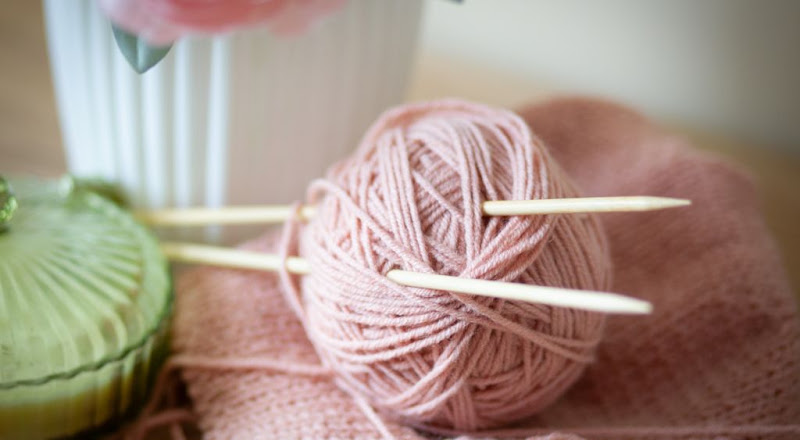
Best for: doing something while doing nothing. It occupies the hands without occupying the mind, which makes it the rare hobby that pairs with conversation or a film. Low-cost to start, portable, and it ends in something someone can wear. It also picks up and puts down easily, so a project can sit half-finished for a couple of weeks without any sense of having fallen behind.
Best for: the lowest possible barrier. Pencil, paper, ten minutes. It also changes how you look at ordinary things, which is a side effect most new hobby ideas cannot claim. Nobody has to see any of it, and that privacy is a large part of why it lasts.
Best for: company without having to organize it. Adult friendships are mostly limited by logistics, and a fixed weekly slot solves the logistics for you. Beginner leagues exist in almost every sport and are far friendlier than people expect.
Best for: turning a chore into something else. You already cook. Choosing one tradition and working through it methodically converts a daily obligation into a subject, and the results turn up on the table every week.
Give it a fixed slot rather than a spare moment, because spare moments never arrive. Start with the most basic version so quitting costs nothing and the gear never becomes a reproach sitting in a cupboard. Expect to be bad at it for longer than feels reasonable, and resist turning it into a project with milestones.
It also helps to be willing to drop one. Trying four things and keeping one is a good outcome, not a failure rate. The relaxing hobbies people stay with for years are almost never the ones they predicted at the start.
Look at what your week is short of — movement, company, quiet, or something to show for the evening — and pick the entry above that answers it. Start small, book the time, and give it six weeks before judging. For anyone still weighing up options, there is no shortage of guides on hobbies worth trying to browse through first.
Have a wander through FactMates if you are after your next idea.