
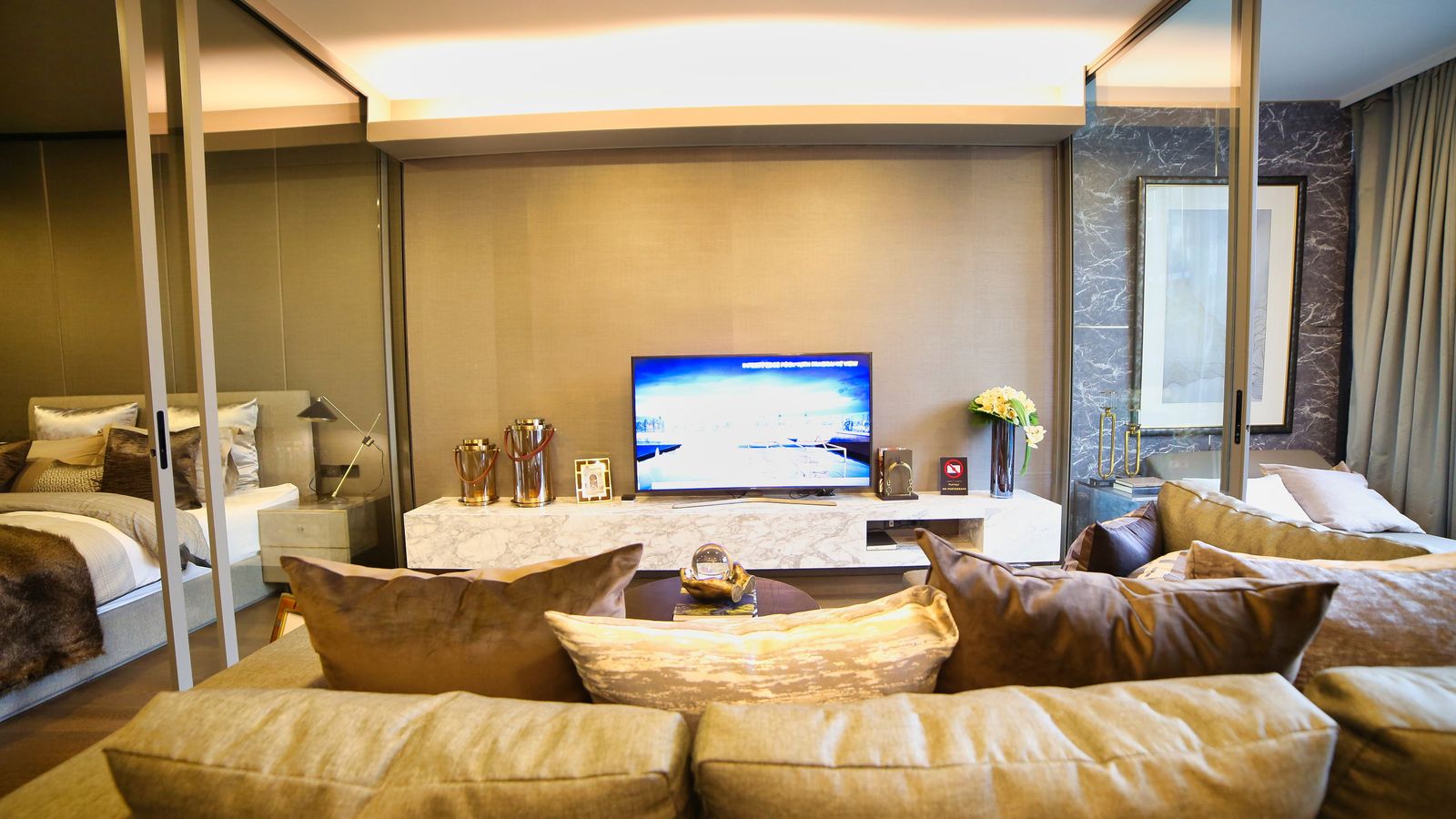

Most living rooms were arranged for conversation, daylight and whatever shape the furniture came in. They work perfectly well for that. They are simply not arranged for watching anything, which is why a film at home can feel flatter than the same film somewhere else.
Almost none of the fixes cost money. They are decisions about where things sit and what is switched on, and together they make more difference than any single piece of equipment.
Televisions have become thin, and the speakers went first. Dialogue buried under music is usually a speaker problem rather than a mixing problem, and it is the complaint people most often blame on the film.
A soundbar is the obvious answer, but position matters nearly as much as the hardware: speakers firing into a cabinet or facing a wall lose most of what they are capable of. Clear the shelf in front, keep the centre of the sound at roughly ear height when seated, and a modest setup will outperform an expensive one in the wrong place.
Before buying anything, check the television's own sound settings. Many are shipped in a mode built to sound impressive in a showroom, with the midrange scooped out, and the plain or standard setting is frequently clearer. Turning off any automatic volume levelling helps as well, since that is often what flattens quiet dialogue.
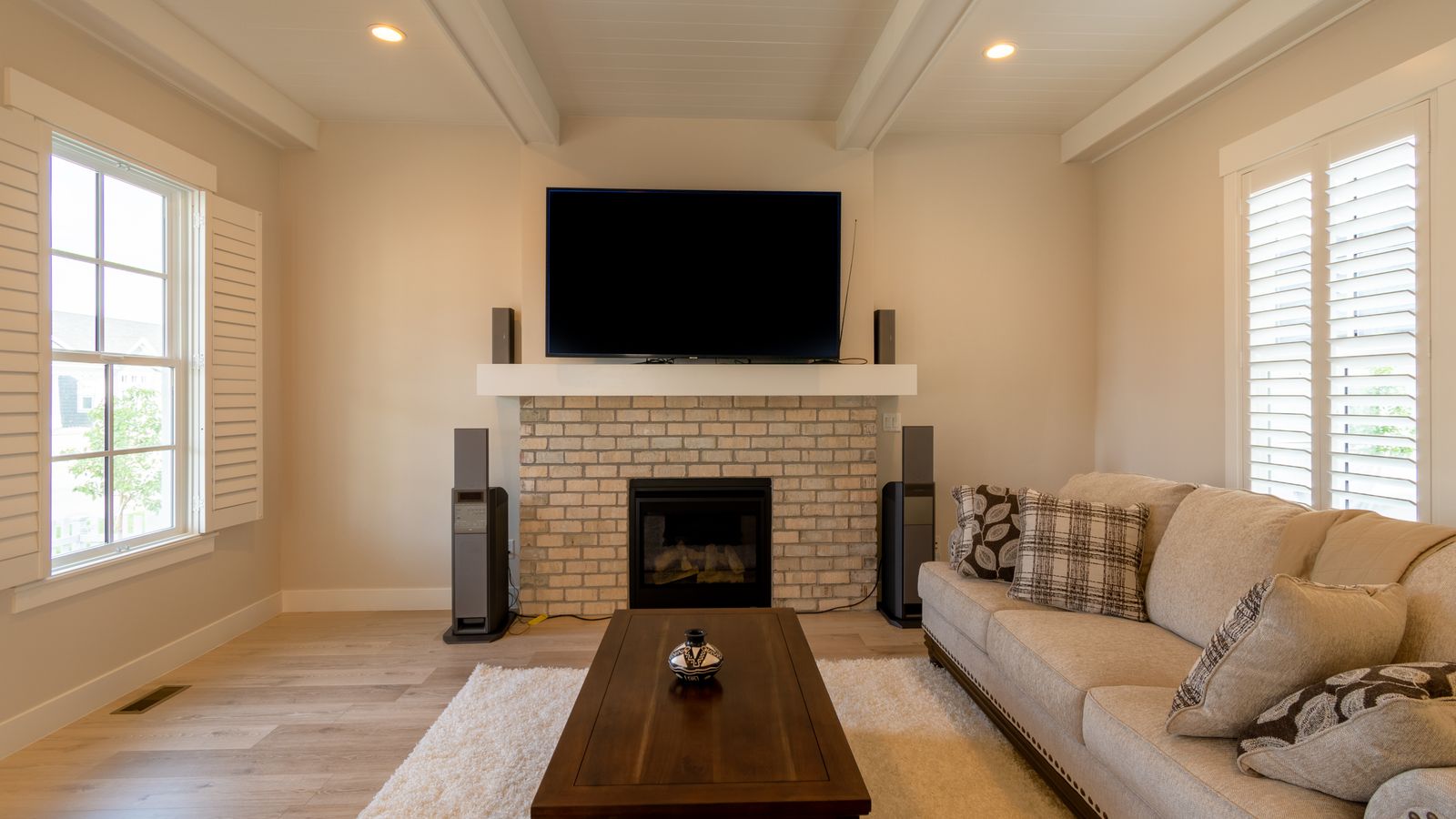
Two things go wrong here. The screen ends up too high, usually above a fireplace, so everyone watches at an angle that gets uncomfortable after twenty minutes. And it ends up further away than it needs to be, because the sofa was placed against the far wall by default.
Roughly eye level when seated, and closer than feels natural, is the short version. Moving a sofa forward by half a metre changes the experience more than moving up a screen size, and it is free. If the screen genuinely cannot move, tilting it down towards the seats recovers a good deal of what the height costs, and takes a minute with most wall mounts.
A bright room flattens contrast and turns dark scenes into guesswork. Total darkness is not the goal either, since a screen alone in a black room is tiring to watch for two hours.
What works is a small amount of light behind or beside the screen rather than in front of it, and nothing reflecting off the glass. Closing curtains, turning the main light off and leaving a lamp on the far side of the room is the whole technique. If a window faces the screen, that window is the problem, whatever else you change.
Everyone should be able to see without turning their head, which in practice means the seats worth having are the ones in front of the screen rather than beside it. If the room only seats two people well, that is worth knowing before five arrive.
The rest is comfort: somewhere to put a drink without leaning across someone, a blanket within reach, and phones placed face down and out of arm's reach. A lit screen in the corner of someone's vision undoes a surprising amount of the work done by everything above, and it is the easiest of all these home viewing improvements to apply.
It takes two minutes and removes nearly every interruption that normally arrives in the first half hour.
Begin with sound and light, since they cost nothing and account for most of the difference. Move the seating next, and only then think about equipment. A well-arranged room with an ordinary television beats a bright, badly placed setup with an expensive one every time. Getting more out of the rooms you already have is a recurring theme on FactMates.