


The ticket is rarely the price you end up paying, and the seat is rarely quite what the map suggested. Neither of those is a scandal; they are just the parts of booking that nobody explains until after the money has gone.
A little preparation changes the outcome more here than in most purchases, because the decisions all have to be made in a few minutes while a timer runs.
Go to the venue's own website first and find out who its official seller is. Venues almost always name them, and starting there removes the single biggest risk in the whole process.
Search results are the trap. Resale sites buy advertising on the name of the show, often appear above the official seller, and look near-identical. Checking the address bar against what the venue told you takes five seconds and is the most useful habit in buying tickets safely.
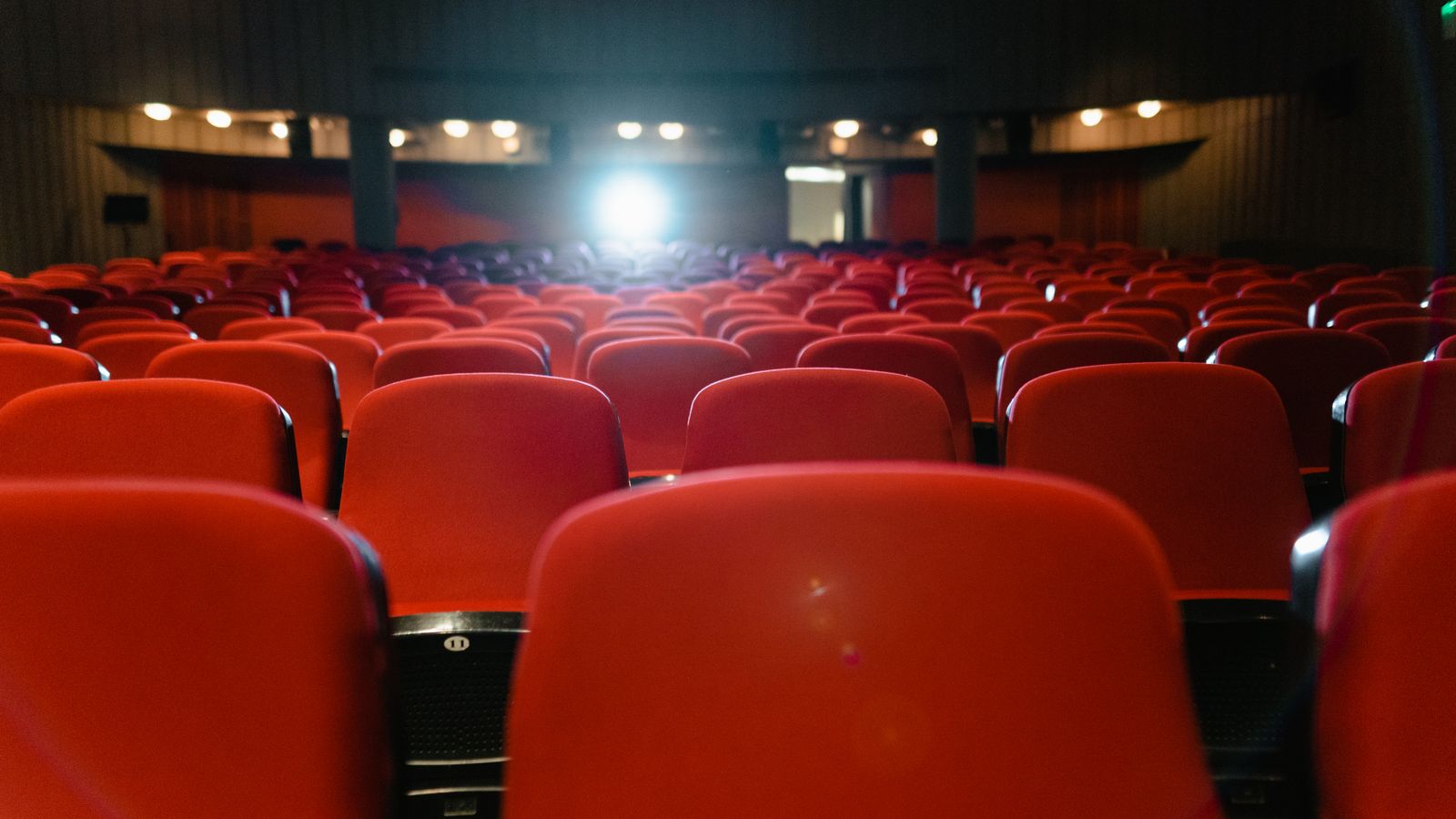
Seating maps are drawn to sell seats, not to describe them. A block shaded the same colour can run from excellent to restricted, and the words doing the real work are in the small print: restricted view, side view, partial view, behind a pillar.
Two things are worth knowing. Side seats close to the stage are often worse than central seats further back, especially for theatre, where sightlines matter more than distance. And a front row is not automatically the best seat in the house; at a concert it can mean looking up for two hours, and at a theatre it can put you below the stage.
For an unfamiliar venue it is worth searching its name alongside the block you are considering. Audiences discuss specific seats at length, and a few minutes of that tells you more about which seats are actually worth paying for than any official plan will.
Booking fees, service charges and delivery costs are usually added at the last step, which makes comparing sellers on the headline price pointless. The figure to compare is the one on the payment page.
Collecting at the box office often costs less than any delivery option, and digital tickets usually cost nothing at all. It is worth clicking through to that final screen on two sellers before choosing, since the difference is frequently larger than any difference in the ticket itself.
Watch for fees charged per ticket rather than per order, too. On a booking for four or five people that distinction quietly adds a meaningful amount, and it is never the number shown on the way in.
Official resale, run by the venue or the primary seller, is generally safe: the ticket is reissued and the seat is real. Unofficial resale is a different market, where prices float and a screenshot of a ticket is not proof of anything.
If you do use resale, pay by a method that gives you some recourse, keep the confirmation, and treat anything far below the going rate as the warning it almost always is. A sold-out show with bargain tickets available is not luck.
That last point catches people out more than any of the others, particularly with standing tickets bought for a group with a wide age range.
Buy from the seller the venue names, judge seats by their description rather than the map, compare on the final total, and read the terms before rather than after. Done in that order it takes a few extra minutes and removes almost everything that normally goes wrong. Planning a night out without the small print catching you is well trodden ground on FactMates.