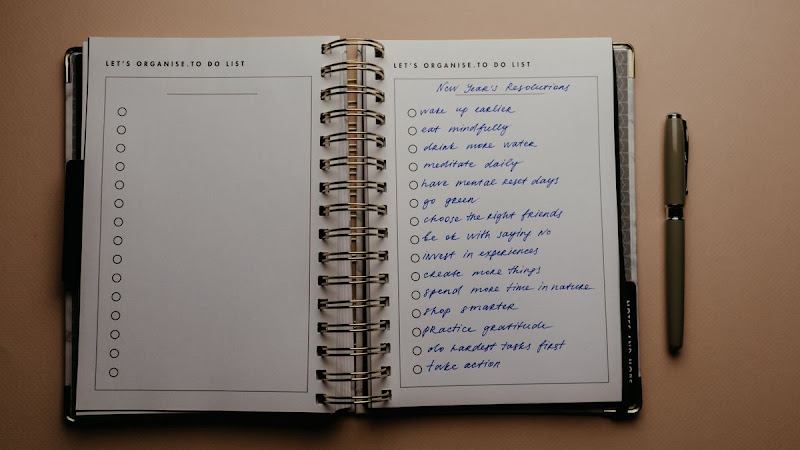

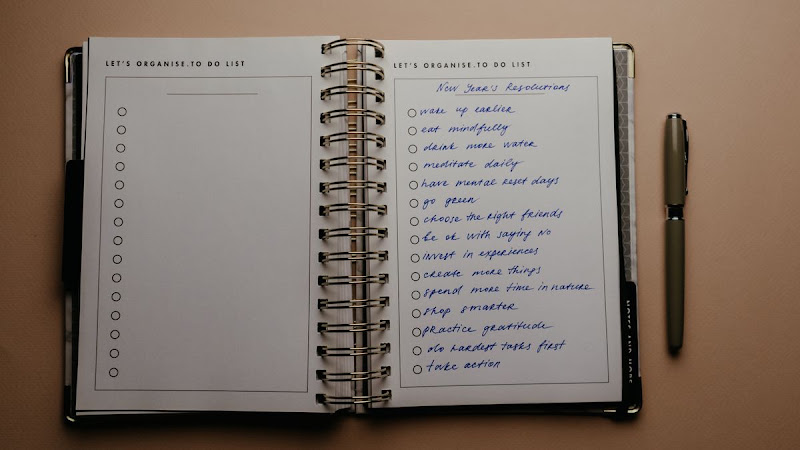
A habit that takes two minutes looks like it cannot matter. That is precisely why it works. Two minutes is small enough to survive a bad mood, a late night, and a day that got away from you — and a thing you do on your worst days is the only thing that ever compounds. The small habits that lead to big change are rarely impressive in isolation; they are just the ones still running a year later, quietly reshaping how an ordinary day goes.
Large changes rely on a supply of motivation that runs out. Small ones rely on repetition, which does not. An hour at the gym three times a week depends on energy, time, and a free evening; ten push-ups before your shower depends on nothing except being awake. The second one is still happening in March.
There is a second advantage that gets less attention. A tiny habit is hard to argue with. When the bar is one page, the internal negotiation never really starts, and the habit gets done before the part of your brain that talks you out of things has anything to work with.
The table below is not a list of virtuous activities. Each entry is there because the effort is genuinely small and the downstream effect is disproportionate.
The habit
Time it takes
What it changes over a year
Make the bed
1 minute
Sets a done-something tone before the day starts; keeps the whole room reading as tidy
Drink a glass of water on waking
30 seconds
Removes the mid-morning slump that is often mild dehydration rather than tiredness
Two-minute tidy before bed
2 minutes
You wake to a clear surface instead of yesterday's mess, which changes how the morning feels
Write down tomorrow's first task
1 minute
Removes the worst decision of the day from the moment you are least able to make it
Ten-minute walk after lunch
10 minutes
Breaks the afternoon slump and adds roughly 40 hours of walking across a year
Read one page
2 minutes
Keeps a book in progress permanently; one page most nights is still a dozen books
Put the phone in another room at night
0 minutes
Shortens the time it takes to fall asleep and removes the scroll that eats the first waking hour
Pick one. Not three. The instinct when a list looks this easy is to take the whole thing on Monday, and the whole thing is exactly what collapses by Thursday. Run one for two weeks until it stops feeling like a decision, then add the next.
Attach it to something that already happens at a fixed time — the kettle, the shower, locking the front door. An existing action is a far more reliable trigger than an intention, which is why so many good habits to build work better when they are bolted onto the day rather than inserted into it.
Then leave the bar where it is. The temptation after a good week is to raise ten push-ups to thirty, one page to a chapter. That converts a habit back into a task, and tasks get skipped. Keep the floor low and let the extra happen on the days it wants to.
Nothing, for a while. That is the honest part. The first month of a small habit produces almost no visible result, which is why most people stop during it. The change arrives as an absence: you notice the afternoon slump is gone, or that you have finished three books without trying, or that mornings are no longer a scramble.
Missing a day is not the problem either. Missing two in a row is, because that is where a habit stops being automatic and becomes a decision again. The rule that holds most positive daily habits together is simply never to skip twice.
Choose one habit small enough that skipping it would feel silly. Tie it to something you already do, keep the bar low enough to clear on a bad day, and resist adding a second until the first runs without thought. A year of that quietly rearranges an ordinary week, and it does so without a single dramatic decision. There is a deep well of everyday habit advice worth reading if you want more of it.
If this kind of thing is useful to you, FactMates publishes a steady stream of it.