
Two rooms with the same furniture can feel completely different to be in, and the reason is almost never the budget. Calm comes from how much a room asks of you: how many objects want a decision, how much light reaches the corners, how much noise sits under everything. Most calm home ideas that work are subtractive, and the ones with the biggest effect can be done in an afternoon without buying anything.
Flat surfaces are where calm is lost first. A kitchen counter with eleven things on it reads as unfinished work even when nothing on it is urgent, and the brain registers that long before you consciously notice the mess.
The fix is not a deep clean. Pick the two or three surfaces you see most — the counter beside the kettle, the coffee table, the shelf by the door — and clear them to a maximum of three objects each. Keeping those few clear does more than tidying the whole house once, because they are the surfaces your eye lands on every single day.
Whatever greets you at the door sets the tone for the whole home. Shoes, post, bags, and keys accumulate here because there is nowhere obvious for them to go. One hook, one small tray, and one basket solve almost all of it, and a hallway that is clear at the threshold makes the rest of the house feel more resolved than it is.
Overhead lighting is what makes an evening living room feel like an office. Two or three low lamps at different heights, switched on instead of the ceiling light after dark, changes the room more than new furniture would. Add one soft texture — a throw, a rug, curtains that reach the floor — and the room stops echoing, which quietly lowers the sense of noise.
Calm here is mostly about the few minutes after cooking. A sink that is empty when you leave the room means tomorrow starts with a clean slate rather than a chore. If nothing else changes, this one habit is the highest-return of any of the calming home changes on this list.
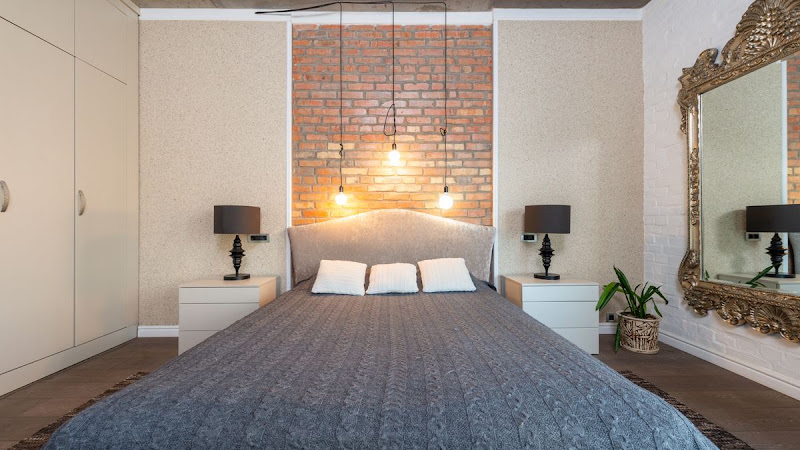
Keep the work out. A laptop on the bedside table tells the room it is partly an office, and the room behaves accordingly. Fewer objects, dimmer light in the last hour, and nothing on the floor is most of what a restful bedroom needs.
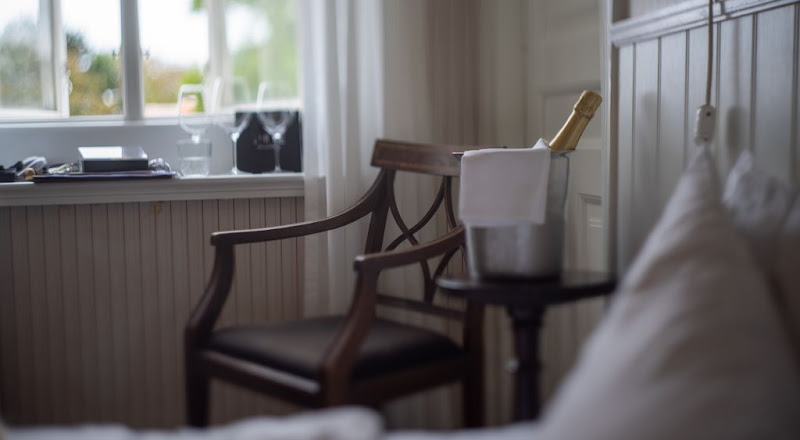
Light, sound, and air do more for how a room feels than any object in it. Pull curtains fully back during the day rather than leaving them half across the glass; most rooms lose a surprising amount of daylight to fabric that was never moved. Open a window for a few minutes each morning even in winter, because stale air reads as heaviness long before anyone names it.
Sound is the one people rarely address. A permanently muttering television, a radio nobody is listening to, an extractor fan left running — each is small, and together they create a background hum that has to be tuned out. Turning off what nobody is actually using is free and immediate.
A calm home is maintained rather than achieved, and the maintenance is smaller than most people assume. A five-minute reset before bed — surfaces cleared, cushions straightened, shoes away — holds a house steady far better than an exhausting monthly overhaul, and it is the part most peaceful home tips leave out.
One more rule keeps things from creeping back: anything new needs a home before it comes in. Objects without a designated place migrate to surfaces, and surfaces are where the calm went in the first place.
Clear the surfaces you look at most, swap the overhead light for lamps after dark, empty the sink before bed, keep work out of the bedroom, and let light and air in every morning. None of it costs much, all of it compounds, and together they change how a home feels to come back to. More practical home and living guides follow the same subtractive logic.
Take a look around FactMates next time you are after ideas for the house.