


Working from home removes the two things that used to hold a working day together: a commute that marked the start and end, and a room full of people doing the same thing at the same time. Without those, focus stops being automatic and becomes something you have to build deliberately, which is why people who were perfectly productive in an office can struggle badly at home.
The fixes are mostly structural rather than motivational. Nobody concentrates better by deciding to concentrate harder. They concentrate better because the environment stopped competing with them.
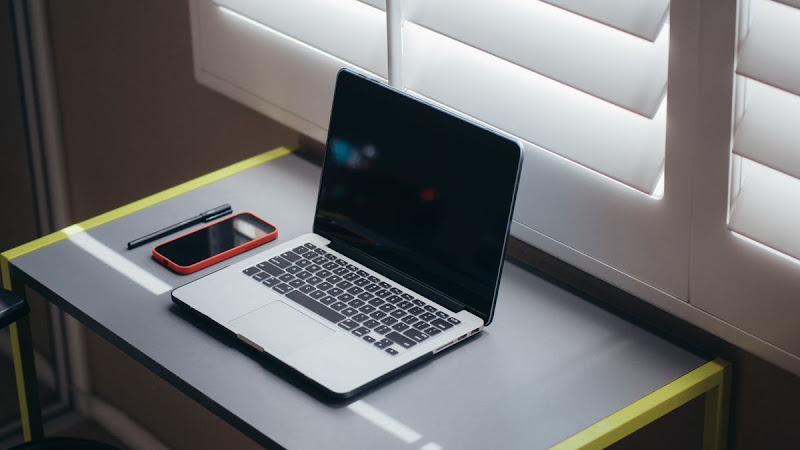
The single most effective change is a space used only for work, even a small one. A desk in a corner beats a laptop on the sofa by a wide margin, and not because of posture. It is that a dedicated spot becomes a cue: sitting there means working, leaving means stopped. Without that boundary the working day tends to smear across the whole day, which is how people end up both underworking and never quite finishing.
If space is genuinely tight, the cue can be an object rather than a room. A particular lamp switched on, or a specific chair, used only during work hours, will do much of the same job. Small environmental signals do more than people expect, and they turn up throughout serious remote work advice.
The hardest part of a home working day is beginning it. A fixed morning routine solves this by removing the decision: the same three actions in the same order, every morning, so that starting is a reflex rather than a choice. Make coffee, open the one document, write for twenty minutes before opening email.
Which actions they are matters far less than that they never change. The routine works because it is automatic, and it stops working the moment it becomes something to think about.
Most people have a window early in the day when concentration is genuinely better, and most people spend it on email because email is easy. Moving the hardest task of the day into that window, before anything reactive is allowed in, changes output more than any productivity tool will.
That means messages stay closed until the block ends. Not minimized, closed. A notification does not just cost the seconds spent reading it; it costs the several minutes needed to rebuild the thread of thought afterwards, which is why a morning of constant small interruptions produces so little.
A commute was doing more work than it got credit for. It separated home from work, provided daylight, and gave the brain a stretch of unfocused time that turns out to matter for thinking. Losing it entirely is one of the main reasons home working days feel longer and less satisfying than office ones.
Replacing it need not be elaborate. A walk around the block before starting and another when finishing rebuilds the boundary well enough, and the daylight helps with sleep at the other end of the day. People who do this consistently report the change as larger than they expected, and it features in most sensible working-from-home routines.
Without a building to leave, the working day has no natural stopping point, and the result is usually not more work but worse work spread over more hours. Setting a hard finish time, and then actually shutting the laptop and moving it out of sight, is what prevents the slow creep.
A short closing ritual helps it stick: write tomorrow's first task on paper, clear the desk, close the door or cover the setup. Ending deliberately makes the next morning's start considerably easier, because the first decision has already been made. That pairing of a fixed start and a fixed finish is the backbone of most durable daily work structures.
What works in a quiet apartment alone does not work in a house with other people in it, and what works in winter may not in summer. Treating the setup as something to revise every few months, rather than a system to get right once, is what keeps it useful. FactMates carries a steady stream of writing on working better from home.