


The awkward weeks are the ones nobody dresses well for: too warm for the coat, too cold for the shirt, and a forecast that changes by lunchtime. Most people respond by wearing the wrong thing and being uncomfortable twice a day. A better approach to transitioning your wardrobe treats those weeks as their own short season rather than a gap between two proper ones.
The instinct is to switch the whole wardrobe over on a given weekend, which works badly because the weather does not cooperate for another month. Layering solves the same problem continuously: a light base, a mid layer you can remove, and something for the morning and evening ends of the day.
Three thin layers are also warmer than one thick one, because the air trapped between them does the insulating. That is why a shirt, a knit and a jacket outperform a heavy coat on a changeable day, and why they look considerably better indoors.
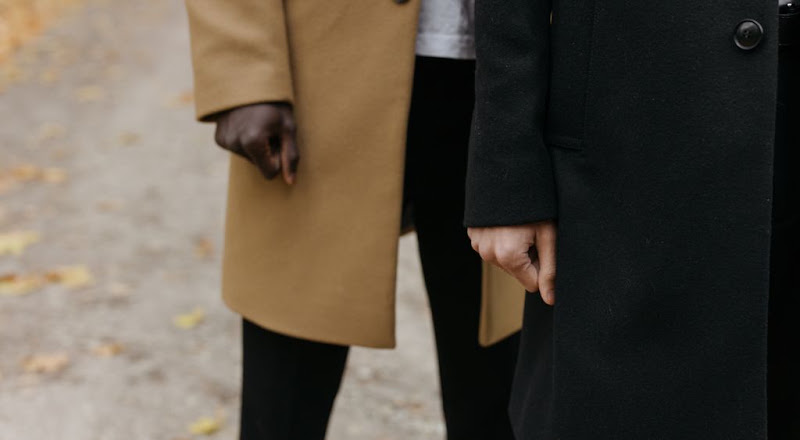
The practical test is whether you can remove something without ruining the outfit. A coat over a T-shirt fails it — take the coat off and there is nothing underneath. A coat over a knit over a shirt passes, and that is really all layering means.
A handful of items work in both directions, and building the in-between weeks around them removes most of the decisions.
Six items, both directions, and none of them seasonal in the way a parka or a sundress is. Most seasonal wardrobe advice converges on roughly this set because they are the pieces that never quite go away.
An easy way to feel seasonal without changing anything structural is to move the palette rather than the garments. The same outfit in cream and pale blue reads as spring; in rust and olive it reads as autumn.
That means a few accessories can carry the transition on their own while the actual clothes stay the same. A scarf, a bag and a pair of shoes in the right register will do more for how seasonal an outfit feels than replacing the coat. It is the least expensive way to mark a change of season, and it works in both directions.
When the genuinely seasonal items do come out of rotation, how they are put away decides what state they are in next year. Everything goes away clean, because moths are drawn to the traces on worn fabric rather than the fabric itself.
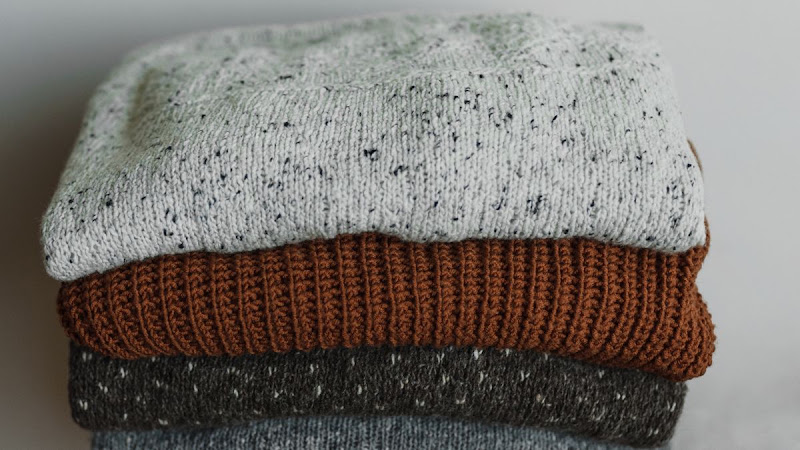
Knitwear should be folded rather than hung, since hanging stretches the shoulders over months. Use breathable cotton bags rather than plastic, which traps moisture, and keep cedar or lavender in with wool. Ten minutes of this saves the annual discovery of a hole in a favorite sweater, and it is the part of clothing care people most often skip.
The changeover is the one moment each year when you handle everything you own, so it is the natural time to notice what went unworn. Anything that came out last year, went back untouched, and is about to do it again is telling you something.
Set those aside rather than repacking them. Repair what is worth repairing, pass on what is not, and the box that goes into storage is smaller and more useful every year.
Keep the double-duty six in permanent rotation, layer rather than swap while the weather is undecided, shift the palette to mark the season, store the rest clean and folded, and use the handling as an audit. Done that way the awkward weeks stop being awkward, and the wardrobe gets a little more deliberate each year. More practical wardrobe guides take the same view.
FactMates goes into seasonal dressing in a few other pieces.