


Sustainable travel advice has a habit of being either impossibly demanding or so small it barely registers. Give up flying entirely, or remember to reuse your towel. Both leave people stuck, because neither reflects how the impact of a trip is actually distributed. A few decisions account for most of it, and traveling more sustainably mostly means getting those right and letting the rest go.
For most trips, how you get there dominates everything else combined. Accommodation and what you do when you arrive matter, but they are a smaller share, and the small in-room gestures that get the most attention are a smaller share still.
That is not an argument for ignoring the small things. It is an argument for not letting them absorb the attention that the large ones deserve. Reusing a towel while taking four short-haul flights a year is doing the arithmetic backwards, and it is the reason so much green travel advice feels effortful without achieving much.
The single most effective change available to most travelers is not a different mode of transport — it is a different rhythm. Three long weekends abroad in a year carry the cost of three journeys; one longer trip carries the cost of one.
This also tends to produce better holidays. Longer stays mean less time in transit, more time to actually see somewhere, and usually lower daily costs. It is one of the rare cases where the sustainable option and the enjoyable one point the same way, which is why most slow travel guides lead with it rather than with equipment.
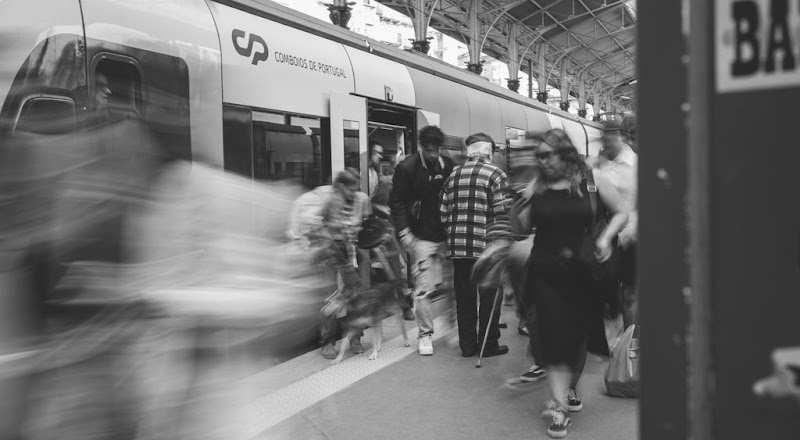
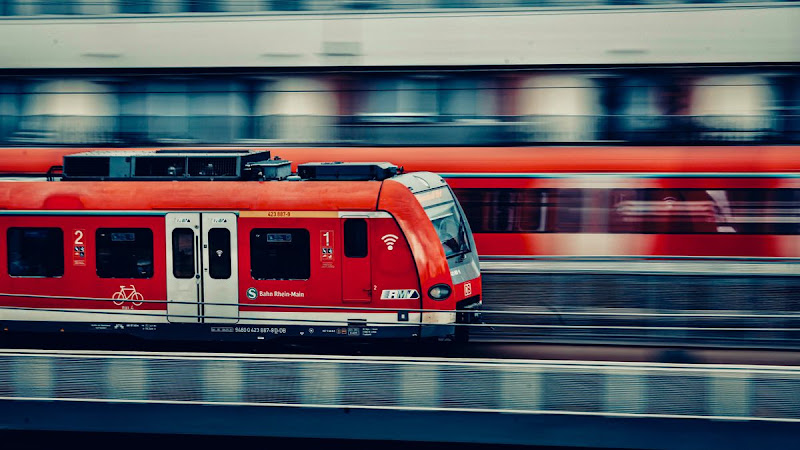
For shorter distances, trains and coaches are substantially lower impact than flying, and on many routes the door-to-door time is closer than the timetable suggests once airport transfers and waiting are counted.
The honest caveat is that this depends enormously on where you live. Some countries have rail networks that make it straightforward and some do not, and pretending otherwise helps nobody. Where it works, it is the easiest large win available; where it does not, forcing it is a poor use of a holiday.
When you do fly, two choices make a measurable difference and cost nothing. Take offs and landings are the most fuel-intensive part of a flight, so a direct route generally beats one with a connection, even when the connection looks shorter on a map.
Seat class matters too, because a premium seat occupies the floor space of two or three economy ones and carries a proportionate share of the flight. Neither of these requires giving anything up, which makes them the first things worth doing and the least discussed.
Once you arrive, the most useful shift is toward locally owned places — guesthouses over international chains, independent restaurants, local guides. The environmental case is real but secondary; the stronger argument is that a larger share of what you spend stays in the place you are visiting.
Walking, cycling, and public transport within a destination do the same double duty. They lower the impact and they show you more of somewhere than a series of taxi rides will. Most practical responsible travel advice arrives at the same handful of habits from this direction rather than from guilt.
Carbon offsetting is widely offered at checkout and widely debated, because the quality of schemes varies considerably and verification is difficult from the outside. Treating it as a supplement to flying less rather than a license to fly more is the defensible position.
If you do buy them, the schemes worth looking at are the ones with independent certification and clear reporting on what was actually funded. Treat a tick-box at the end of a booking with the same skepticism you would apply to any other add-on, and do not let it change a decision you would otherwise have made differently.
Take fewer and longer trips, use the train where the network makes it realistic, fly direct and in economy when you fly, stay and spend locally, and move around on foot or by public transport once you are there. That list is short on purpose, and it covers the overwhelming majority of what any individual traveler can actually influence.
The travel section on FactMates keeps growing.