


A completely free weekend is rarer than it used to be and, oddly, harder to use well. Two empty days invite a particular kind of drift where nothing is decided, nothing much happens, and by Sunday evening the whole thing has gone without leaving any trace. The people who come out of a free weekend feeling better usually made one small decision early on.
That decision is not a schedule. It is picking which kind of weekend you actually need, because rest, productivity and novelty are three different things and trying to get all of them produces none.
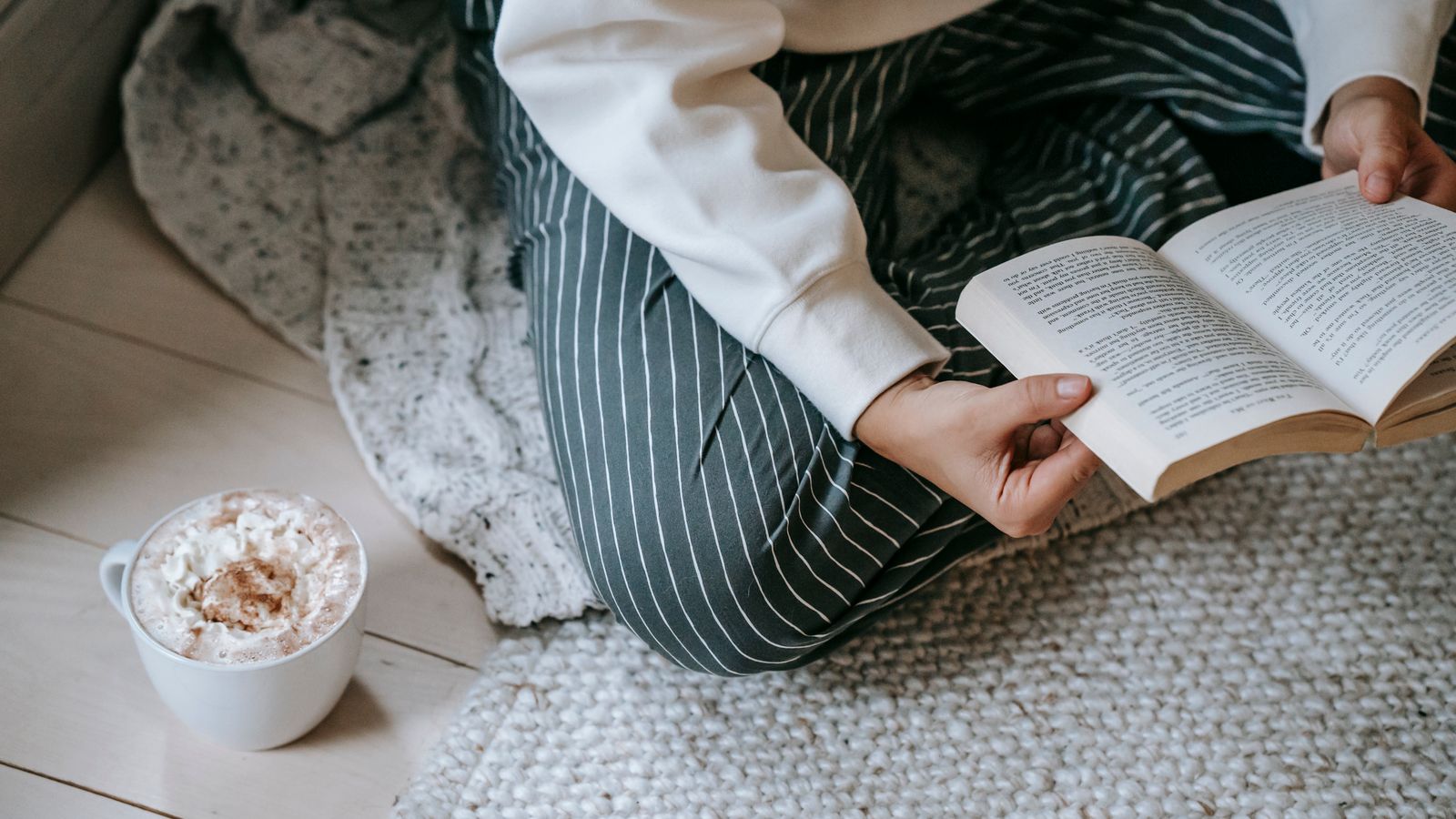
Tiredness, restlessness and flatness feel similar from the inside and want opposite treatments. Genuine tiredness wants less input, not a project, which is why so much rest advice misfires. Restlessness wants movement and a change of scene. Flatness wants novelty, however small. Choosing the wrong one is why a weekend of lying down can leave someone feeling worse than they started.
The table below is a rough guide to matching the weekend to the state you are in.
Picking a row and ignoring the rest is the point. A weekend that tries to cover three rows becomes a to-do list, and a to-do list is what you were trying to get away from.
If the weekend wants a project, make it smaller than feels satisfying. A single drawer rather than the whole kitchen, one shelf of books rather than the bookcase, the photographs from one year rather than all of them. Small projects finish, and finishing is the part that produces the good feeling.
Large projects started on a Saturday tend to be abandoned half-done on a Sunday evening, leaving the room worse than before and the weekend feeling wasted. The scale of the ambition is usually the problem rather than the effort available, and it is a point made often in weekend project ideas worth following.
Whatever else happens, leave a stretch of several hours with nothing planned at all. Not reserved for resting, which is still an instruction, but actually unassigned. This is where the good bits of a free weekend tend to happen, and it only works if the space is left rather than scheduled.
It also protects against a common failure: a free weekend filled in advance with pleasant obligations until it is as busy as a working week.
Cooking is unusually well suited to an empty day because it occupies the hands, takes as long as you let it, and ends in something concrete. A slow recipe on a Saturday afternoon does more for the feel of a weekend than most planned activities, and it removes the question of what to do about dinner at the same time.
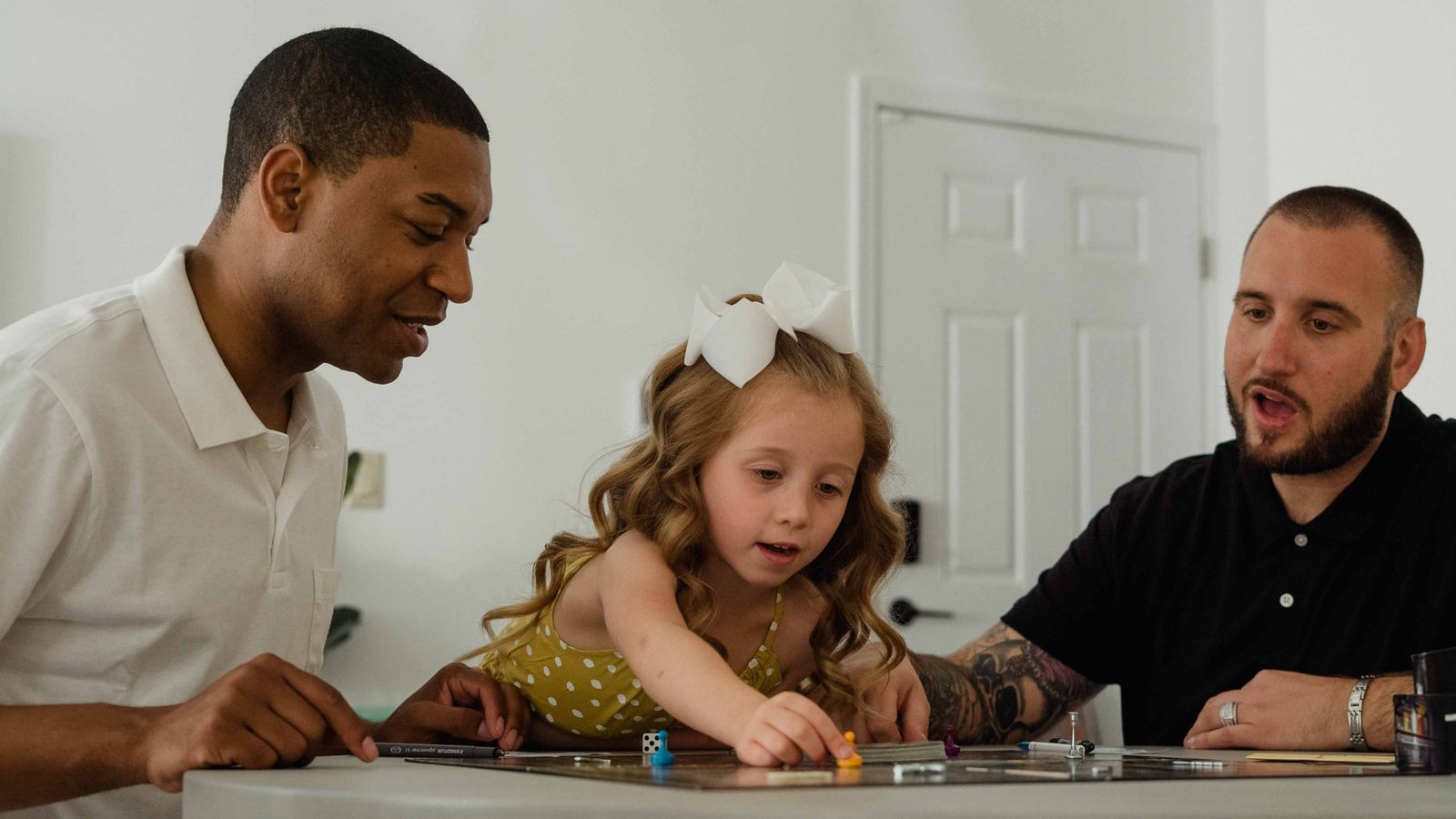
It works even better with someone else in the kitchen, and it scales down neatly if energy runs out halfway. Easy weekend cooking is one of the few activities that rewards a low-effort day rather than punishing it.
The quiet enemy of a free weekend is a screen that keeps offering something marginally more interesting than whatever you are doing. It is not that the hours get consumed dramatically; it is that nothing quite holds attention, so the weekend never settles into anything.
Leaving the phone in another room for a few hours at a time, rather than attempting to abandon it entirely, is usually enough. The aim is friction rather than abstinence, and a few hours of it changes how long the days feel. Most workable screen-time habits are built on exactly that distinction.
The end of a free weekend is where the whole thing is usually spoiled. An unplanned Sunday evening drifts into thinking about Monday, which turns the last few hours into a kind of anticipatory work.
Deciding on Friday what Sunday evening will be — a particular film, a bath, an early night, tomorrow's clothes laid out — closes the weekend off properly. Ending it deliberately is what makes the two days register as a break rather than a gap. There is no shortage of at-home ideas over at FactMates.