

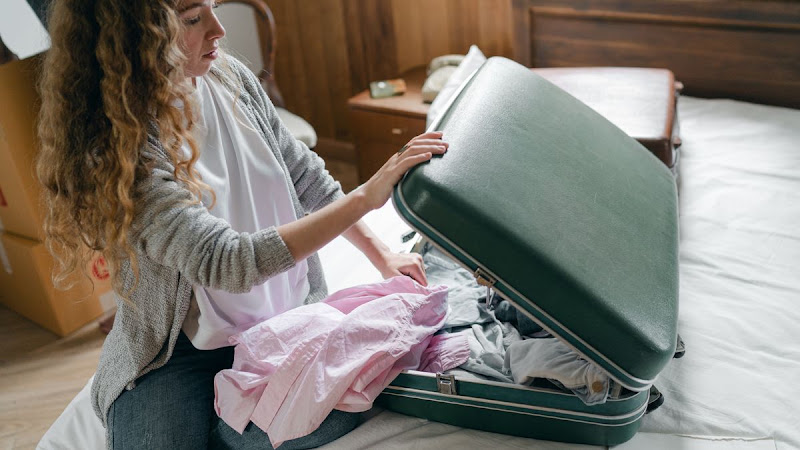
A carry-on has one job that the rest of your luggage does not: it has to get you through the journey, and through the first day if your checked bag goes somewhere else. Packed with that in mind it is a small, boring bag containing exactly the right things. Packed as an overflow for whatever did not fit, it becomes heavy, disorganized and no help at all. Thinking about what to pack in a carry-on starts with that distinction.
For each item, ask whether you would genuinely need it in the next twenty-four hours if the checked bag did not arrive. That one filter does more than any packing list, because it separates the things that matter from the things you are carrying out of habit.
Medication passes instantly. A third pair of shoes does not. Most of what ends up in an overweight cabin bag fails the test and was only there because there was space, which is why advice on packing light tends to start by removing rather than choosing.
Beyond the essentials, a short list genuinely improves a long journey. An empty water bottle to fill after security saves money and keeps you drinking. Noise-cancelling headphones or even basic earplugs make a real difference to how rested you arrive. A light layer covers aggressively air-conditioned cabins.
Snacks are underrated, particularly on flights where the service is minimal or the timing is wrong for your body clock. And something to read that does not need a battery is the item people are most grateful for during a delay. Most sensible packing guides converge on roughly this handful.
Weight matters, but accessibility matters more on the day. Documents, phone and anything needed at security belong in an outer pocket you can reach without unpacking on the floor in front of a queue.
Put the liquid bag near the top for the same reason, and keep the change of clothes at the bottom where it is out of the way. A small pouch for cables stops the usual tangle, and a second one for medication means you are never emptying the bag to find it. These are unremarkable habits, and they are the ones that separate a smooth journey through an airport from a fraught one.
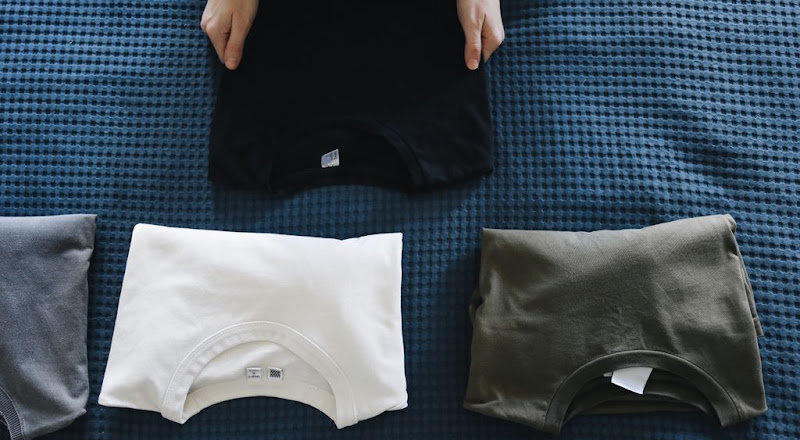
Documents, medication, a change of clothes, chargers and a small toiletry kit form the core. Add a water bottle, earplugs, a layer and a snack for comfort. Leave out full-size liquids, sharp objects and anything duplicating what is already in the hold. Then pack it so the things you need first are the things you can reach, and the bag does its actual job rather than doubling as storage.
Packing done, FactMates is where to spend the wait at the gate.