

An interview outfit has one job: to stop being a talking point. Nobody has ever been hired because of a jacket, but plenty of people have spent the first five minutes of a conversation adjusting a collar instead of listening to the question. The aim is to walk in, sit down, and never think about what you are wearing again.
That makes the decision simpler than it feels. Instead of asking what looks impressive, ask what looks appropriate for the place you are walking into and comfortable enough to forget. Those two tests knock out most of the wrong answers before you open the closet.
Dress codes vary enormously between industries, and guessing wrong in either direction costs you something. A suit in a studio full of people in sneakers reads as a misunderstanding of the place. A t-shirt at a law firm reads the same way. The safest approach is to find out first and decide second.
Look at the company's own photos, its team page, any recent event coverage. If you know someone who works there, ask outright. Recruiters are usually happy to answer the question too, and asking it signals preparation rather than uncertainty. Once you know the baseline, the rule of thumb is straightforward: dress one notch above what the team wears on an ordinary day. Not three notches. One. This is the same judgment call behind most workplace dressing advice worth following.
Across most office settings, a short list covers nearly every interview:
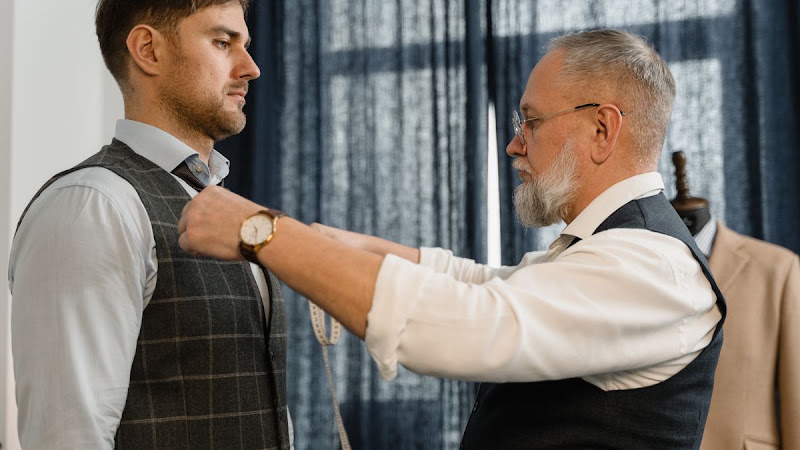
The single most common mistake is fit. A jacket that pulls at the button or sleeves that swallow the hands undo everything else, and no amount of fabric quality compensates. If one item gets attention before the interview, make it a trip to a tailor with the jacket. That is where the difference between fitted and off-the-rack shows up most clearly.
Anything new and untested is a risk. A shirt bought that morning may turn out to gape at the chest when you sit, and shoes worn for the first time will blister during the walk from the parking lot. Wear everything once beforehand, sitting down, standing up, and reaching for a handshake.
Strong fragrance is worth skipping entirely, since interview rooms are small and opinions vary. So are loud patterns, which photograph badly if the interview is on video and pull the eye away from your face in person. Visible logos fall into the same category. None of these will lose you a job by themselves, but each adds a small distraction where none is needed, which is why plain over patterned is the usual recommendation for high-stakes days.
Comfort deserves more weight than it usually gets. An outfit that requires constant adjustment steals attention you need for the conversation. If a waistband digs in when you sit or a collar rides up when you turn your head, that item is not the right choice however good it looks standing still.
On camera, only the top third of the outfit matters, but it matters more. Solid mid-tone colors read well; bright white tends to blow out, and busy prints shimmer. Check what the camera sees rather than what the mirror shows, because the two rarely agree. Sit down, open the call software, and look at the preview before the day arrives.
Lighting matters as much as clothing here. A lamp in front of you beats a window behind you every time, and a plain wall beats a busy background. These are small adjustments, but they are the ones that separate a call that feels professional from one that feels improvised. Practical setup notes like these come up regularly in remote interview guides.
Lay everything out, check it under good light for stains and loose threads, and put the whole outfit somewhere it will not crease. Charge whatever needs charging, and leave the bag packed by the door. The point is not perfection. The point is that by the time you arrive, clothing has become a solved problem and your attention is free for the part that actually decides the outcome. Interview and workwear pieces sit alongside this one on FactMates.