

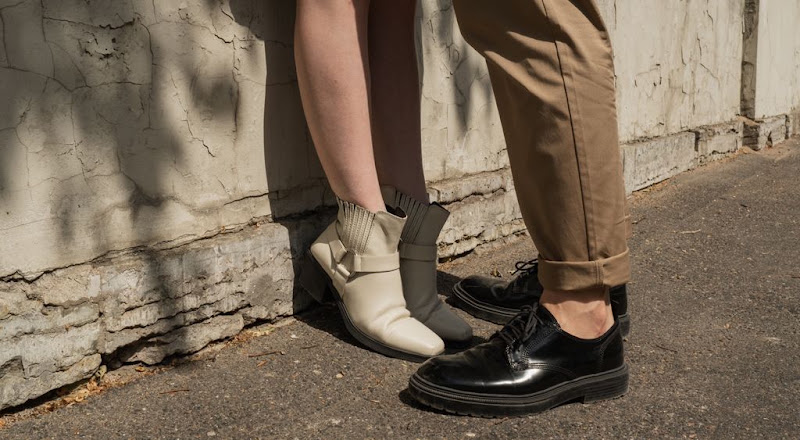

Shoes decide more about an outfit than most people give them credit for. The same jeans and shirt read as weekend or as office depending entirely on what is at the bottom. That is also why a closet full of shoes can still leave you short: too many pairs that only work with one thing, and not enough that work with almost anything.
A versatile pair has three qualities. It comes in a neutral color, it has a simple shape without heavy detailing, and it sits at a formality level in the middle rather than at either extreme. Once you know what to look for, a small number of pairs covers a surprising share of an ordinary week.
The table below covers the shoes that pull their weight across the widest range of outfits, along with the places each one stops working.
Three of those five cover most people entirely. Which three depends on climate and on how you spend the week, but the logic behind the choice is the same one that runs through practical wardrobe building advice: pick the pieces that appear in the most combinations, not the ones that look best in isolation.
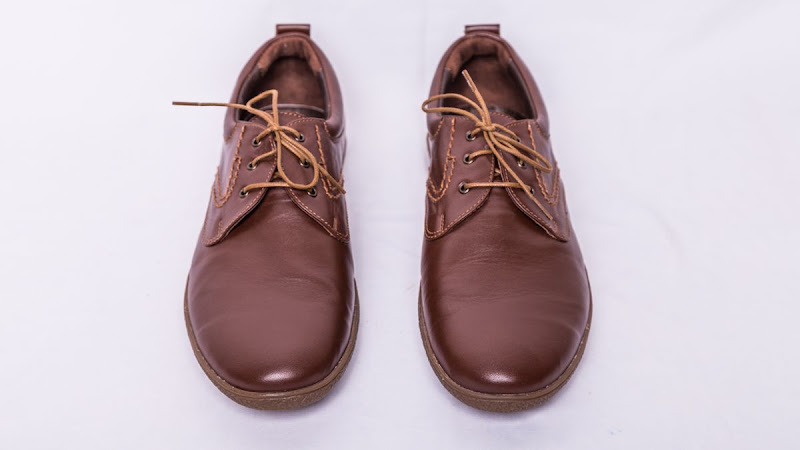
Neutral shoes disappear, and disappearing is the point. White, tan, brown, black and dark navy sit quietly under whatever is above them. A bright red or patterned shoe has to be planned around, which means it gets worn on the days you remember it and ignored on every other day.
Tone matters too. A mid-brown loafer sits comfortably with navy, gray, olive and cream, while a very dark brown narrows quickly. The same is true of sneakers: an off-white or cream leather forgives scuffs and pairs more easily than bright white, which starts looking tired after a month of real use.
Simple shapes travel further. A rounded or lightly tapered toe works across far more outfits than a sharply pointed or heavily squared one, both of which tie the shoe to a particular look. Visible logos, contrast stitching, chunky branding and decorative hardware all do the same thing: they make the shoe a statement, and statements need the rest of the outfit to agree.
Sole thickness sets formality more than anything else. A thin leather sole reads dressy, a light rubber sole reads in between, and a thick treaded sole reads casual no matter what is above it. Matching that to the clothes is most of what people mean when they say a shoe does or does not go, and it is a point made often in shoe buying guides.
A versatile shoe gets worn constantly, which means condition matters more than for a pair worn twice a year. Scuffed leather and worn-down heels undo the effect completely. A brush and polish every few weeks, heel tips replaced before they wear through to the sole, and a day of rest between wears so the leather dries out will keep a good pair going for years.
Rotation is the quiet part of this. Wearing the same pair every single day roughly halves its life, so two versatile pairs alternating outlast three worn in sequence. That, plus resoling rather than replacing, is the core of most footwear care advice worth following.
If the closet needs a reset, begin with one neutral sneaker and one neutral leather shoe at a slightly dressier level. Between them they will cover the large majority of ordinary days. Add a boot if the weather calls for one, and stop there until something is genuinely missing rather than merely tempting.
Everything else is a specialist. Specialists are fine to own, but they should be bought last and counted honestly. Sensible shopping rules like that one keep a closet useful rather than merely full. The practical end of dressing gets covered often on FactMates.