

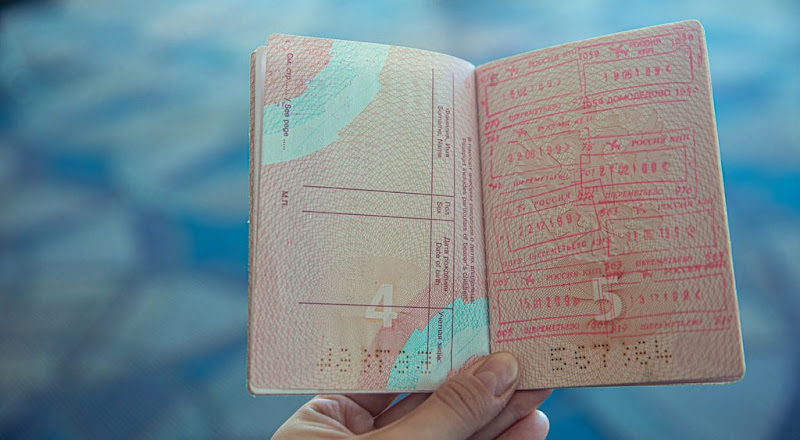

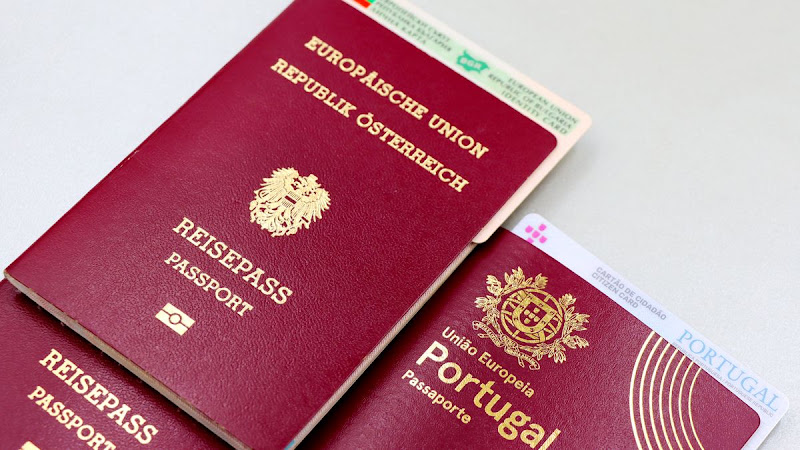
Document problems are the one category of travel disaster that is entirely preventable and entirely unforgiving. A delayed flight can be rebooked; a passport with five months left on it cannot be argued with at the desk. The good news is that the whole subject fits on one page, and running through the travel documents you need a few weeks out removes the failure mode completely.
Plenty of people check that they have a passport and stop there. The date is the part that catches travelers out, because many countries require a passport to remain valid for six months beyond your arrival, and some airlines will not board you if it does not.
Check the destination's actual requirement rather than assuming, and check it against your return date rather than your departure. If renewal is needed, start early — processing times move around, and the expedited route is expensive and not always available.
Not all of it applies to every trip, and that is the point of reading the list rather than assuming. Most pre-trip checklists are longer than they need to be because they cover every possible journey at once.
Entry requirements change, and a forum post from last year is not a source. The two places worth relying on are your own government's travel advice page for your destination, and the destination country's official immigration or embassy site.
Airline requirements sit on top of that and are occasionally stricter. Worth a glance at the carrier's page too, since it is the airline that decides whether you board. Anything that looks like a visa service charging a fee to fill in a form on your behalf is generally repackaging a process you can complete directly.
Take a photo of the passport page, the visa, the insurance policy, and any booking confirmations, and store them in two places — one in the cloud and one saved offline on your phone, because the moment you need them is often the moment you have no signal.
A printed copy in a separate bag from the originals costs nothing and helps considerably if the originals go missing. It is also worth carrying the address and number of your country's nearest embassy, which is the first call if a passport is lost and the one detail nobody has to hand when it happens.
Traveling with children adds requirements that catch people out. Children need their own passports, and some countries ask for evidence of parental responsibility or a consent letter when a child travels with one parent or with someone other than a parent.
Rules differ by destination and by the family's circumstances, so this is one to check specifically rather than generally, well before the trip. The same applies to anyone traveling under a different surname from the child's. Solid family travel guides flag this as the item worth doing first, because the paperwork can take time.
Confirm the passport date against your return, check the entry requirement on an official site, print and save copies in two places, note the embassy details, and tell your bank you are leaving. Twenty minutes of that removes the only travel problem that cannot be fixed at the airport.
FactMates runs through this kind of admin regularly.